Environmental Justice
 ">
">
 ">
">Buried in Plain Sight: America’s Forgotten Nuclear Waste
- Nuclear Waste and Safety
- 11 months ago
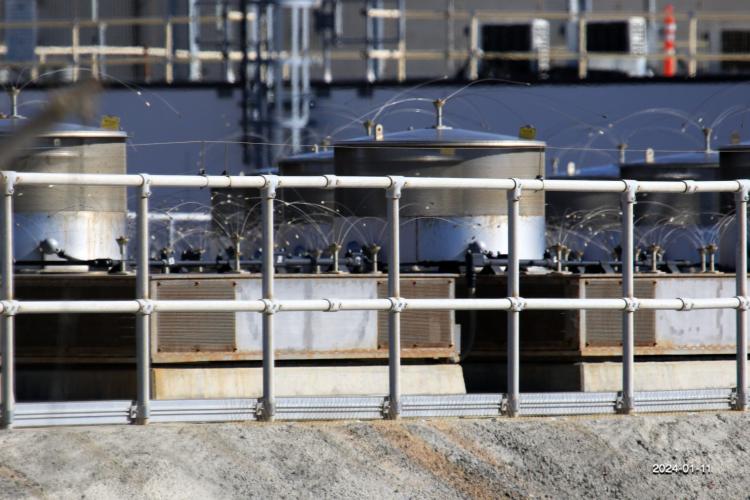
Across the U.S., shuttered nuclear plants leave behind a toxic inheritance: spent nuclear fuel with no permanent home. This waste is not just inconvenient; it remains hazardous for hundreds of thousands of years, far beyond any human planning horizon. Yet, in the absence of a national repository, utilities store it onsite in steel canisters or concrete casks, often near water, sometimes in areas vulnerable to natural disasters.
- Nuclear Waste and Safety
- 11 months ago
 ">
">Democracy and Disasters: Why Voting Matters in High-Risk Zone
- Civic Engagement and Advocacy
- 11 months ago
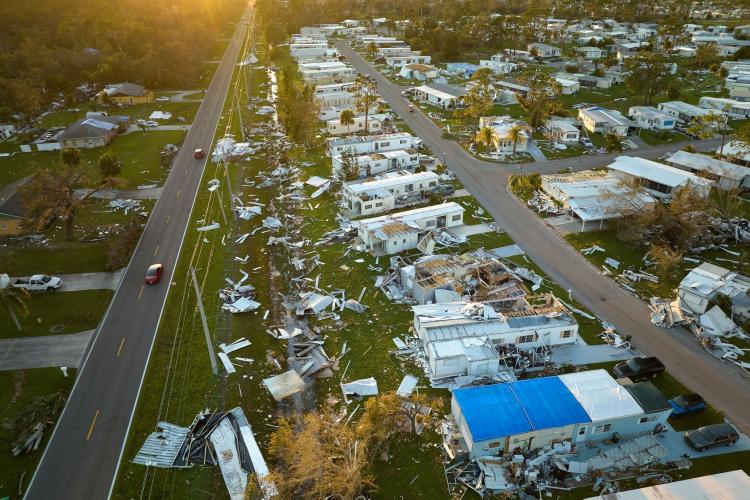
Natural and man-made disasters often seem beyond local control. But in high-risk zones, from wildfire-prone hillsides to coastal nuclear sites, civic participation may be the strongest form of protection.
- Civic Engagement and Advocacy
- 11 months ago
 ">
">Heatwaves and the Energy Crunch: A Dangerous Feedback Loop
- Energy and Climate
- 11 months ago
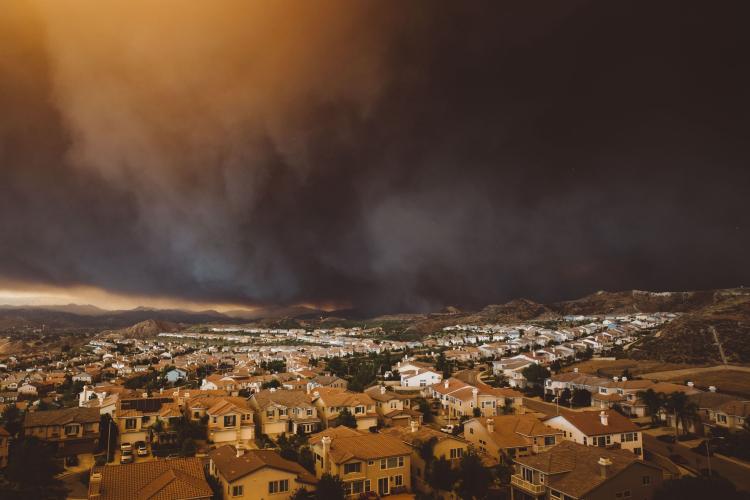
California’s summers are getting hotter, and heatwaves are now longer, stronger, and deadlier. As temperatures soar, the demand for electricity spikes, straining the grid and triggering rolling blackouts. This cycle creates a dangerous feedback loop: burning more fossil fuels to stay cool drives the very warming that fuels future heatwaves.
- Energy and Climate
- 11 months ago
 ">
">Youth Powering Change: Inside the Climate Tech Classrooms of Tomorrow
- Youth and Education
- 11 months ago
In California, where climate change collides daily with droughts, wildfires, and rising seas, a new generation is stepping forward with innovation in hand. Across the state, classrooms are evolving into climate tech incubators, equipping young people not just to understand the crisis, but to engineer solutions.
- Youth and Education
- 11 months ago
 ">
">Sound the Alarm: What Your City Isn’t Telling You About Disaster Risk
- Nuclear Waste and Safety
- 11 months ago
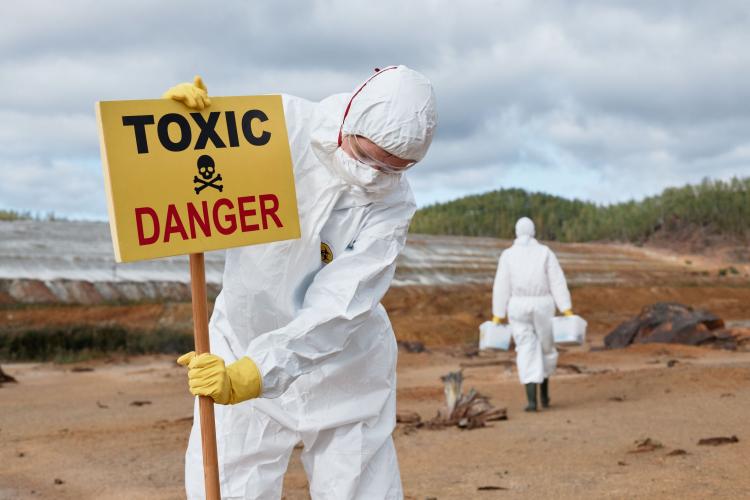
We hear of natural disasters in other countries that take more lives because warnings systems don’t exist. We expect better across the United States. But many communities have public alert systems that are often flawed, outdated, and untested.
- Nuclear Waste and Safety
- 11 months ago
 ">
"> ">
">From Protests to Policy: The Environmental Justice Movement Goes Mainstream
- Clean Energy and Policy
- 11 months ago
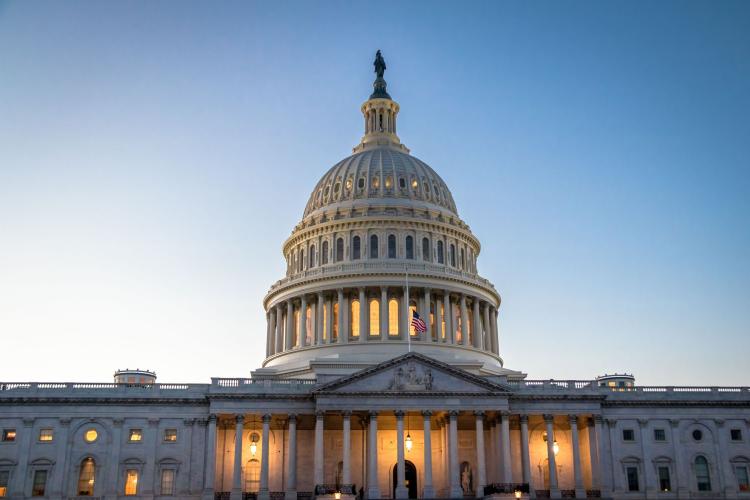
For decades, the fight for environmental justice has been waged on a local level, in community centers, at city council meetings, and on the front lines of protests against toxic facilities. This grassroots activism, born from the simple truth that all people deserve a clean and healthy environment, has historically been a ground-up movement. Now, we are witnessing a pivotal and powerful shift: the environmental justice movement is going mainstream, influencing state and federal policy in unprecedented ways.
- Clean Energy and Policy
- 11 months ago
 ">
">Over 70% of U.S. Physicians Believe Climate Change is Impacting Patient Health
- Clean Energy and Policy
- 11 months ago
In a striking revelation, more than 70% of U.S. physicians agree that climate change is already having a significant impact on patient health, according to the Medical Society Consortium. This acknowledgment highlights the growing awareness among healthcare professionals about the direct links between environmental issues and public health.
- Clean Energy and Policy
- 11 months ago
 ">
">Air Pollution Impacts Fetal DNA and Genes
- Public Health and Environment
- 11 months ago
Studies have revealed significant public health implications of prenatal exposure to air pollution. Research indicates that such exposure can alter DNA methylation in newborns (Baccarelli et al., 2020). This crucial finding underscores the enduring impacts of environmental factors on epigenetic processes, with the potential to affect health outcomes across generations.
- Public Health and Environment
- 11 months ago