Energy and Climate
 ">
">
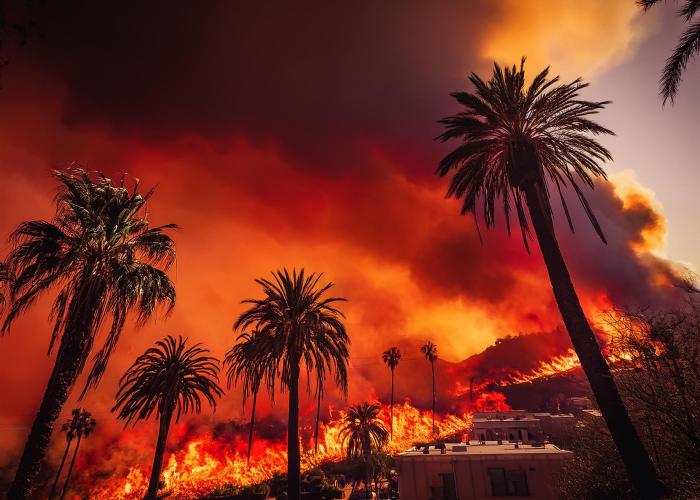 ">
">Sound the Alarm: What Your City Isn’t Telling You About Disaster Risk
- Nuclear Waste and Safety
- 11 months ago
We hear of natural disasters in other countries that take more lives because warnings systems don’t exist. We expect better across the United States. But many communities have public alert systems that are often flawed, outdated, and untested.
- Nuclear Waste and Safety
- 11 months ago
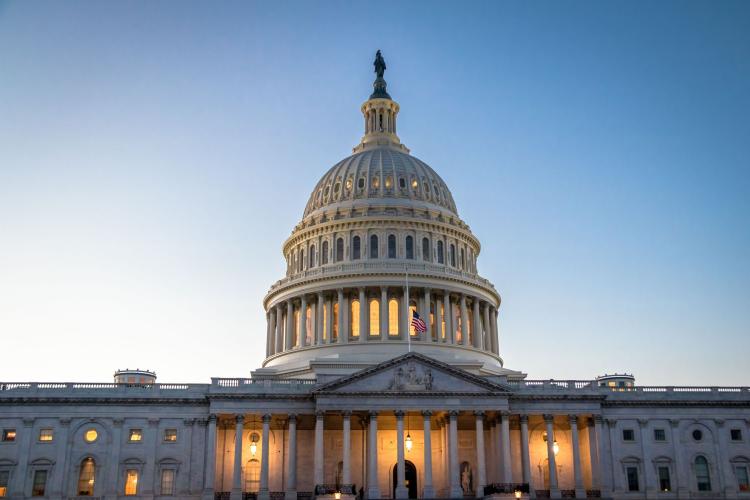 ">
">From Protests to Policy: The Environmental Justice Movement Goes Mainstream
- Clean Energy and Policy
- 11 months ago
For decades, the fight for environmental justice has been waged on a local level, in community centers, at city council meetings, and on the front lines of protests against toxic facilities. This grassroots activism, born from the simple truth that all people deserve a clean and healthy environment, has historically been a ground-up movement. Now, we are witnessing a pivotal and powerful shift: the environmental justice movement is going mainstream, influencing state and federal policy in unprecedented ways.
- Clean Energy and Policy
- 11 months ago
 ">
">Global Citizen Concerts Mobilize $2B+ in Pledges, Artists Lead Sustainability
- 11 months ago
In a significant stride toward environmental action, Global Citizen’s climate-focused concerts have successfully mobilized over $2 billion in pledges. These efforts, timed strategically around events like COP29, underscore the powerful role of music in advocating for change.
- 11 months ago
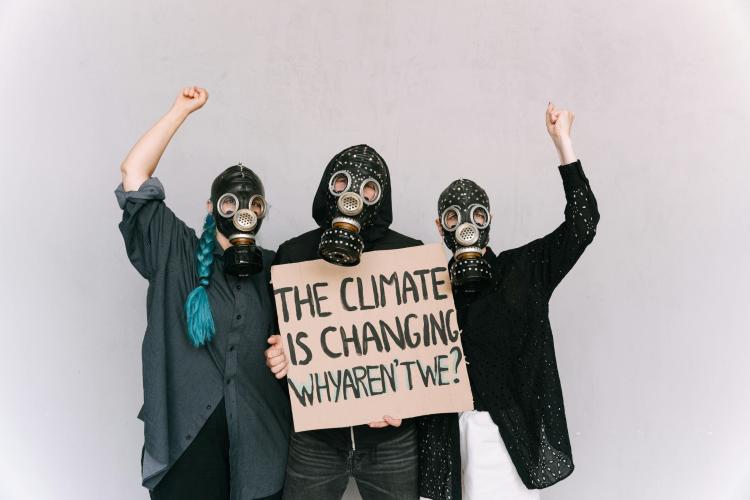 ">
">How Communities Prepare for a Disaster
- Disaster Preparedness
- 11 months ago
When nuclear plants shut down but the waste stays behind, what happens to the people who trained for catastrophe?
- Disaster Preparedness
- 11 months ago
 ">
">Why the Federal Government Still Has No Permanent Nuclear Waste Solution
- Clean Energy and Policy
- 11 months ago
Forty-three years after Congress promised a solution, the United States remains trapped in an expensive stalemate over nuclear waste disposal. Despite President Trump's recent executive orders calling for a "recommended national policy to support spent nuclear fuel management" within 240 days, decades of political reversals have left 89,000 metric tons of radioactive waste scattered across 75 sites with no permanent solution in sight.
- Clean Energy and Policy
- 11 months ago
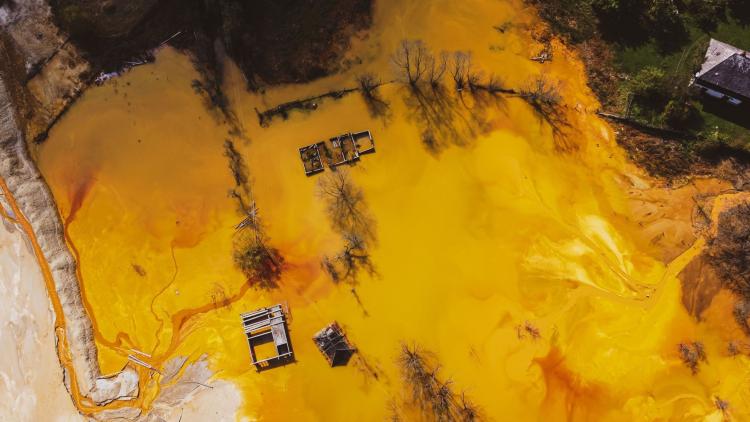 ">
">Justice Delayed: Environmental Exploitation and Recovery
- Civic Engagement and Advocacy
- 11 months ago
For over eight decades, Indigenous communities worldwide have served as unwilling guardians of humanity's most dangerous industrial legacy. From the uranium mines of Namibia to the nuclear test sites of Kazakhstan, from the Marshall Islands to the Navajo Nation, Native peoples have borne the environmental and health costs of the global nuclear industry while reaping none of its benefits.
This pattern of "nuclear colonization" represents a modern form of environmental racism where marginalized communities become expendable in pursuit of national security and energy production. The consequences are measured not just in contaminated soil and water, but in generations of cancer, birth defects, and cultural displacement.
- Civic Engagement and Advocacy
- 11 months ago
 ">
">Toxic Legacy: Why California's Coastal Communities Demand Nuclear Justice
- Nuclear Waste and Safety
- 11 months ago
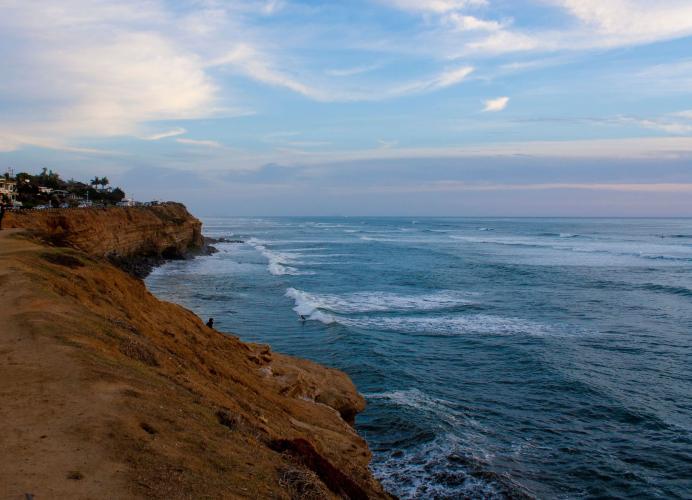
Coastal communities bear the environmental burden of 3.6 million pounds of nuclear waste.
- Nuclear Waste and Safety
- 11 months ago
 ">
">LA28 Hosted at Lower Trestles
- Public Health and Environment
- 1 year ago
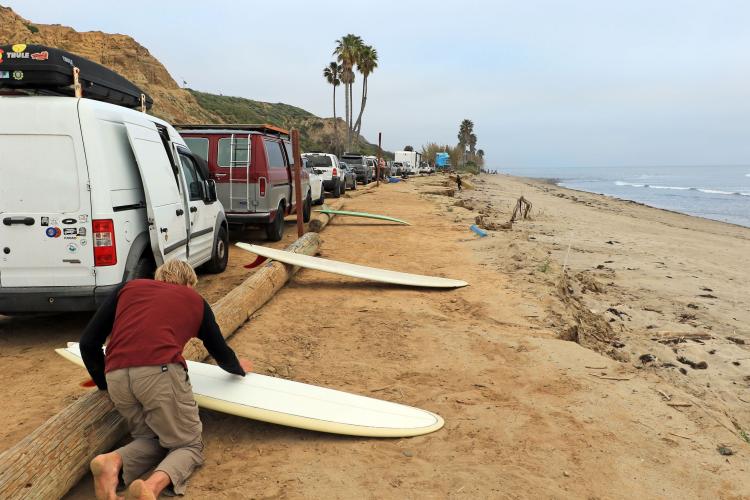
The Olympics LA28 Organizing Committee has announced that Lower Trestles, the world-class surf break next to the San Onofre Nuclear Generating Station, will host the surfing competition for the 2028 Olympics.
- Public Health and Environment
- 1 year ago