Nuclear Waste and Safety
 ">
">
 ">
">How Communities Prepare for a Disaster
- Disaster Preparedness
- 11 months ago
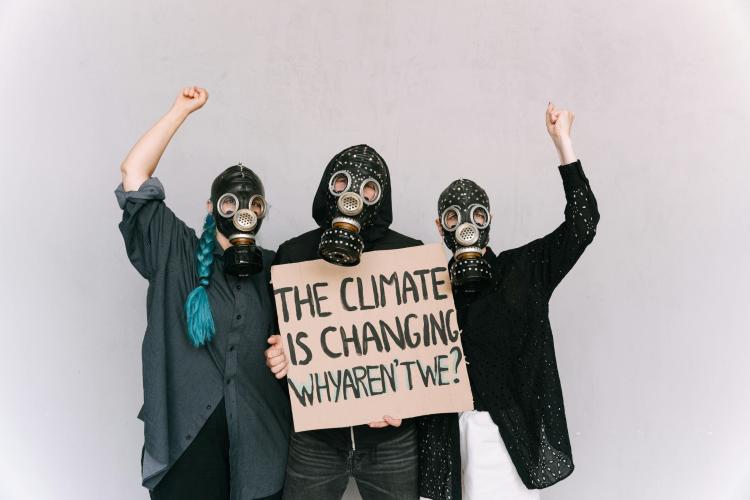
When nuclear plants shut down but the waste stays behind, what happens to the people who trained for catastrophe?
- Disaster Preparedness
- 11 months ago
 ">
">Residents Demand Transparency on Nuclear Waste
- Community Health
- 11 months ago
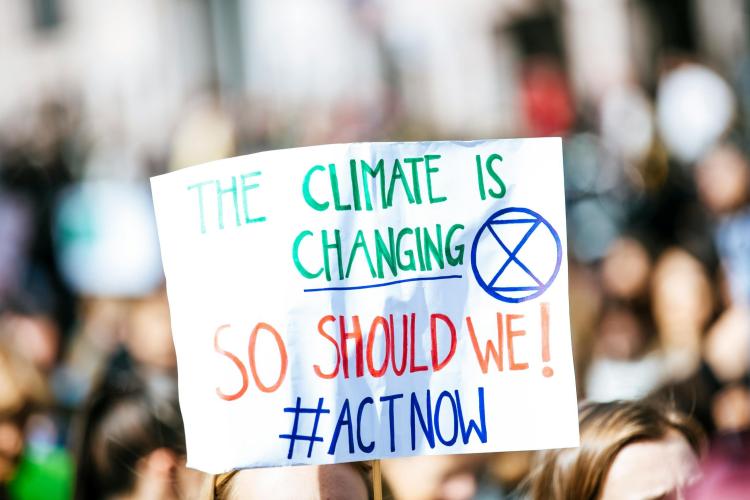
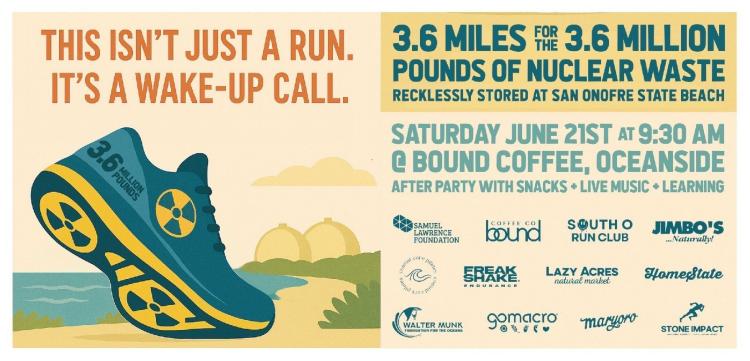
SOLANA BEACH, CA – The scenic Southern California coastline, with its world-famous beaches and vibrant communities, is home to a pressing environmental and public safety concern: the 3.6 million pounds of nuclear waste stored at the decommissioned San Onofre Nuclear Generating Station (SONGS).
- Community Health
- 11 months ago
 ">
">Why the Federal Government Still Has No Permanent Nuclear Waste Solution
- Clean Energy and Policy
- 11 months ago
Forty-three years after Congress promised a solution, the United States remains trapped in an expensive stalemate over nuclear waste disposal. Despite President Trump's recent executive orders calling for a "recommended national policy to support spent nuclear fuel management" within 240 days, decades of political reversals have left 89,000 metric tons of radioactive waste scattered across 75 sites with no permanent solution in sight.
- Clean Energy and Policy
- 11 months ago
 ">
">Justice Delayed: Environmental Exploitation and Recovery
- Civic Engagement and Advocacy
- 11 months ago
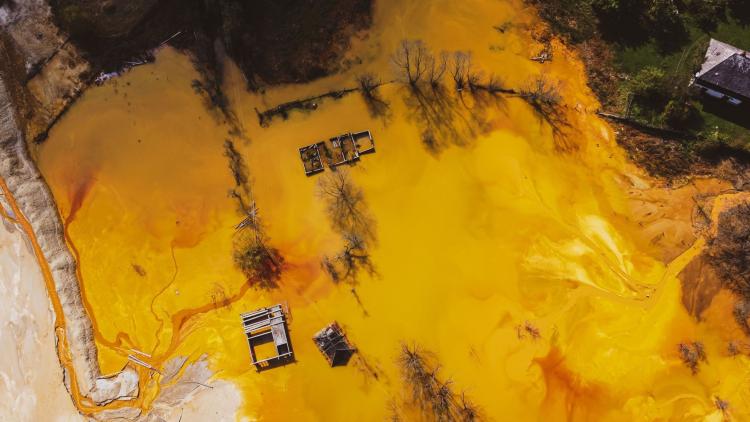
For over eight decades, Indigenous communities worldwide have served as unwilling guardians of humanity's most dangerous industrial legacy. From the uranium mines of Namibia to the nuclear test sites of Kazakhstan, from the Marshall Islands to the Navajo Nation, Native peoples have borne the environmental and health costs of the global nuclear industry while reaping none of its benefits.
This pattern of "nuclear colonization" represents a modern form of environmental racism where marginalized communities become expendable in pursuit of national security and energy production. The consequences are measured not just in contaminated soil and water, but in generations of cancer, birth defects, and cultural displacement.
- Civic Engagement and Advocacy
- 11 months ago
 ">
">Toxic Legacy: Why California's Coastal Communities Demand Nuclear Justice
- Nuclear Waste and Safety
- 11 months ago
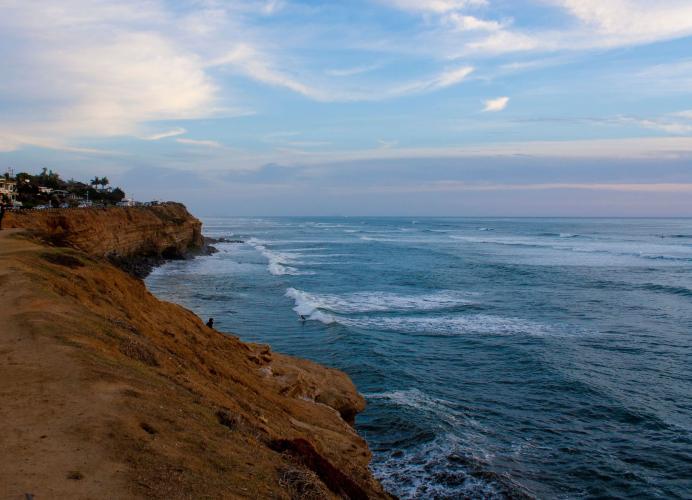
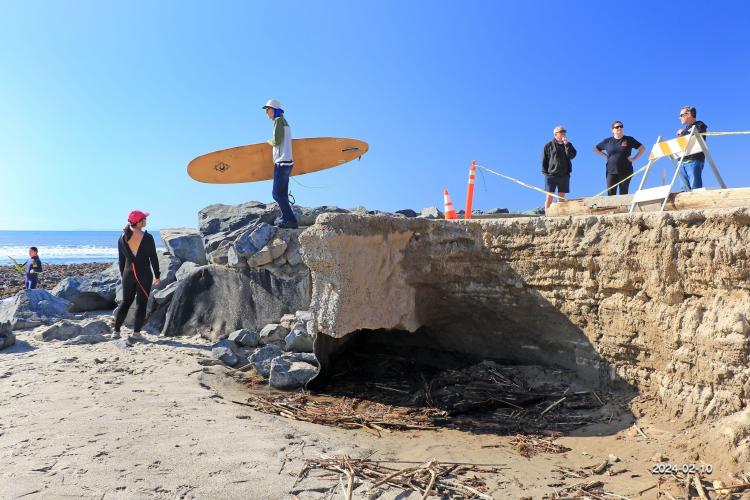
Coastal communities bear the environmental burden of 3.6 million pounds of nuclear waste.
- Nuclear Waste and Safety
- 11 months ago
 ">
">LA28 Faces Backlash Over Surfing Venue Near Nuclear Waste Site
- Public Health and Environment
- 1 year ago
The LA28 Organizing Committee’s recent decision to host the 2028 Olympic surfing competition at Lower Trestles, a renowned surf break located next to the San Onofre Nuclear Generating Station, has sparked intense public concern. Critics say the venue’s proximity to a high-level radioactive waste storage facility raises serious safety and environmental red flags.
- Public Health and Environment
- 1 year ago
 ">
">- Public Health and Environment
- 1 year ago
How San Onofre Became a Nuclear Dead End
- Nuclear Waste and Safety
- 1 year ago
San Onofre Nuclear Generating Station (SONGS) hasn’t produced power since 2013, but it still poses one of California’s most immediate environmental and public health threats. Over 3.6 million pounds of high-level radioactive waste remain stranded just feet from the Pacific Ocean, in thin-walled steel canisters that cannot be inspected, opened, or repaired.
- Nuclear Waste and Safety
- 1 year ago